


Trams at the same Melbourne stop, recorded a few moments apart on two phones. Both clips are real.
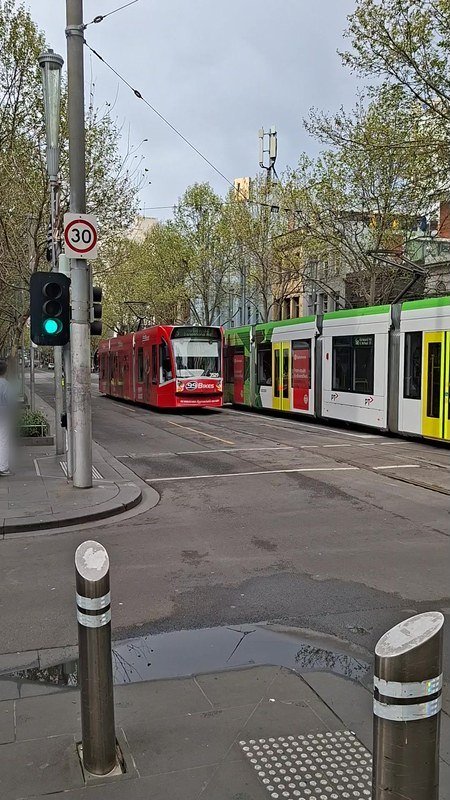
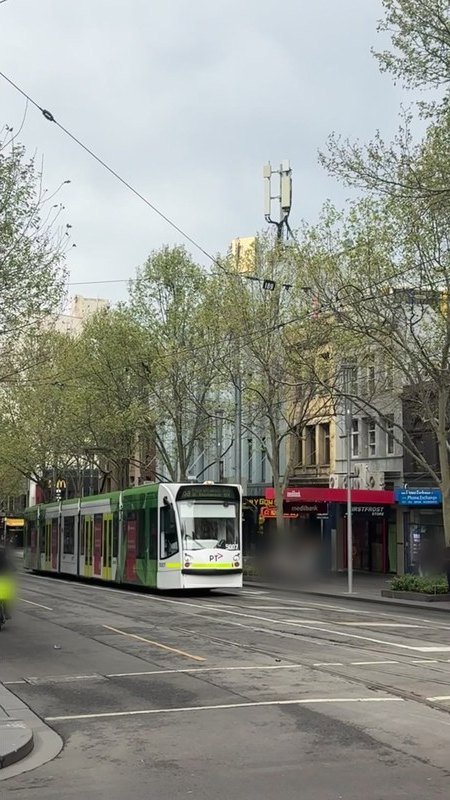


What changed
- Nothing looked generated. Both clips read 15%, which the report then called "likely authentic".
- Both still graded C. The check samples 25 frames across the clip. On a steady shot seven or eight seconds long, neighbouring samples look almost identical, which is what a clip padded with copied frames looks like.
- One extra flag. The Android clip also showed one sudden jump between two frames. Neither finding is a sign of AI.
What the report said: "likely authentic" at 15% for both, and Authenticity C ("moderate risk") for both.

A low AI reading means nothing in the sampled frames looked generated, not that a clip is proven real. Read the findings, not just the letter.
Updated 15 October 2026
We checked both clips again. The findings above are what the report said when we first ran this.
- Both read C "Nothing Found by This Estimate", not "likely authentic". The 15% estimate is a weak line in the evidence table, and none of the 8 sampled frames was flagged.
- The video motion check found no signs of AI generation. It is shown but is not part of the score.
- Both still grade Authenticity C, for the same 24 duplicate frames. The Android clip still shows its one sudden jump.

What each card and reading means: How to read your forensic report.
Updated 14 November 2026
Video reports now show two strips, Sound and Picture, from the start of the clip to the end. They don't mark edits. We ran both clips again: both still grade Authenticity C.


- Sound rises and falls with the trams and the street.
- Picture shows how much the view changes between moments. The Android clip starts with a big change and then settles. The iPhone clip rises and falls gently.
- Neither strip has a gap or a sudden step part way through. The strips change no grade.
Go deeper
- How to check a clip yourself: Is this video real or AI?
- Try it on your own video
Tagged
video
ai-images


